On the morning of September 3, 2026, a large number of officials and Party members of the Posts and Telecommunications Institute of Technology (PTIT) attended the National Conference to study, learn, grasp, and implement several resolutions and directives of the Politburo. The conference was organized in a hybrid format, combining in-person and online participation, connecting to bridge points nationwide; the Institute’s bridge point was located at Hall A2, Hanoi Training Facility.
The conference was organized by the Politburo and the Secretariat, with the participation of leaders of the Party and State, leaders of central departments, ministries, branches, and localities, along with numerous officials and Party members across the country. This is an important political activity aimed at helping officials and Party members thoroughly understand the core contents, guiding viewpoints, and key tasks in the new resolutions and directives of the Politburo; thereby unifying awareness, enhancing responsibility, and creating consensus in the implementation process.
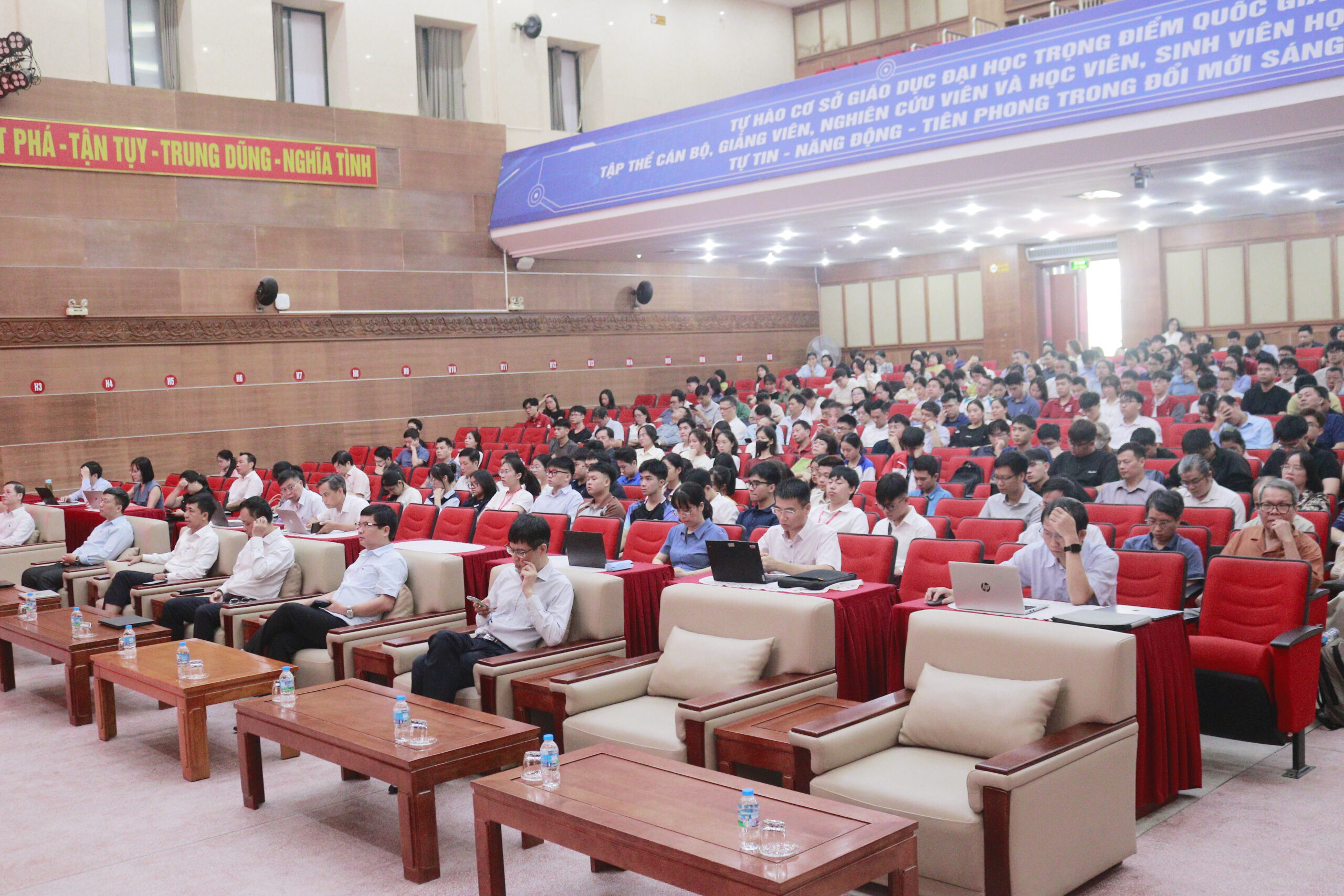
At the conference, delegates were thoroughly briefed on key contents, objectives, tasks, and solutions set forth in the resolutions and directives of the Politburo. The thematic sessions focused on clarifying the requirements for innovating thinking and leadership methods, enhancing the effectiveness and efficiency of organizational implementation; while emphasizing the responsibility of each party committee, party organization, agency, unit, and individual official and Party member in bringing resolutions into reality.
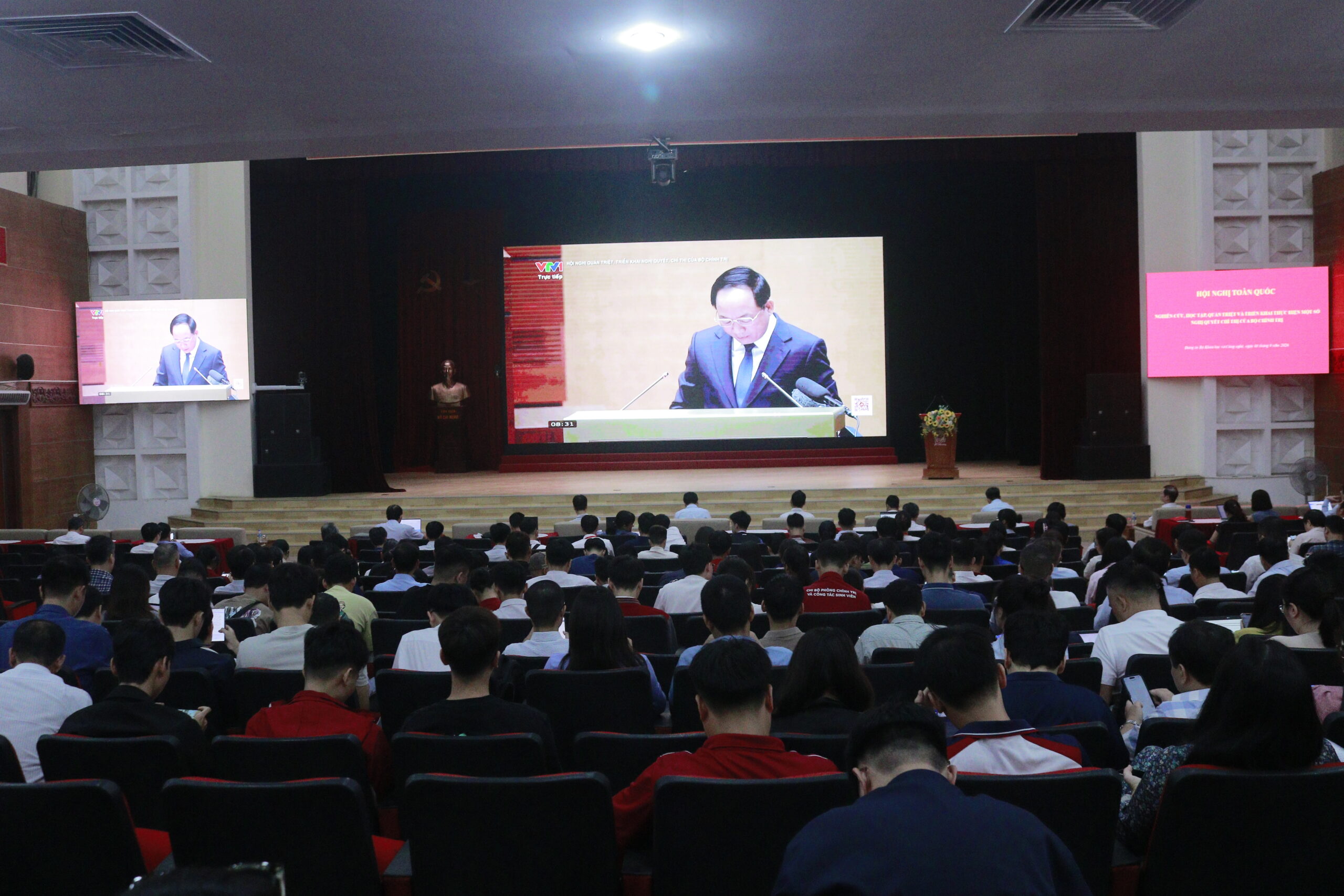
In his guiding speech at the conference, General Secretary and President To Lam emphasized the requirement to bring resolutions into life through specific tasks, products, and concrete results, overcoming the situation where studying resolutions only stops at the stage of dissemination and planning. Each task needs to clearly define objectives, responsible entities, implementation resources, completion deadlines, output products, and verification data; gradually shifting strongly from progress management to result-based governance.
Regarding the field of education and training, orientations on improving the quality of human resources, developing science, technology, innovation, and digital transformation have a direct meaning for higher education institutions. The implementation of the Party’s guidelines needs to create substantive changes within schools, especially in training high-quality human resources to serve strategic technology fields such as data, artificial intelligence, digital transformation, and information security.
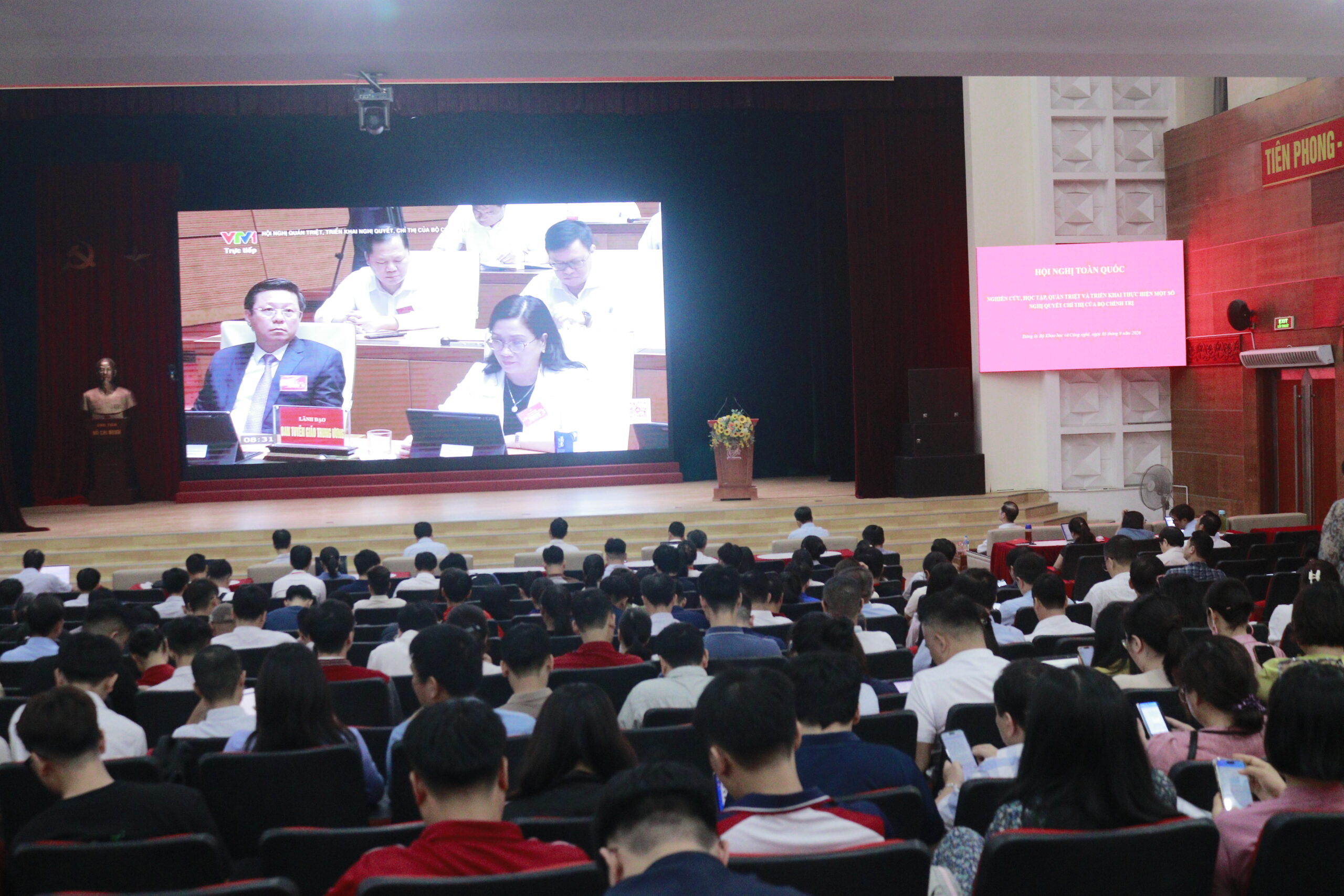
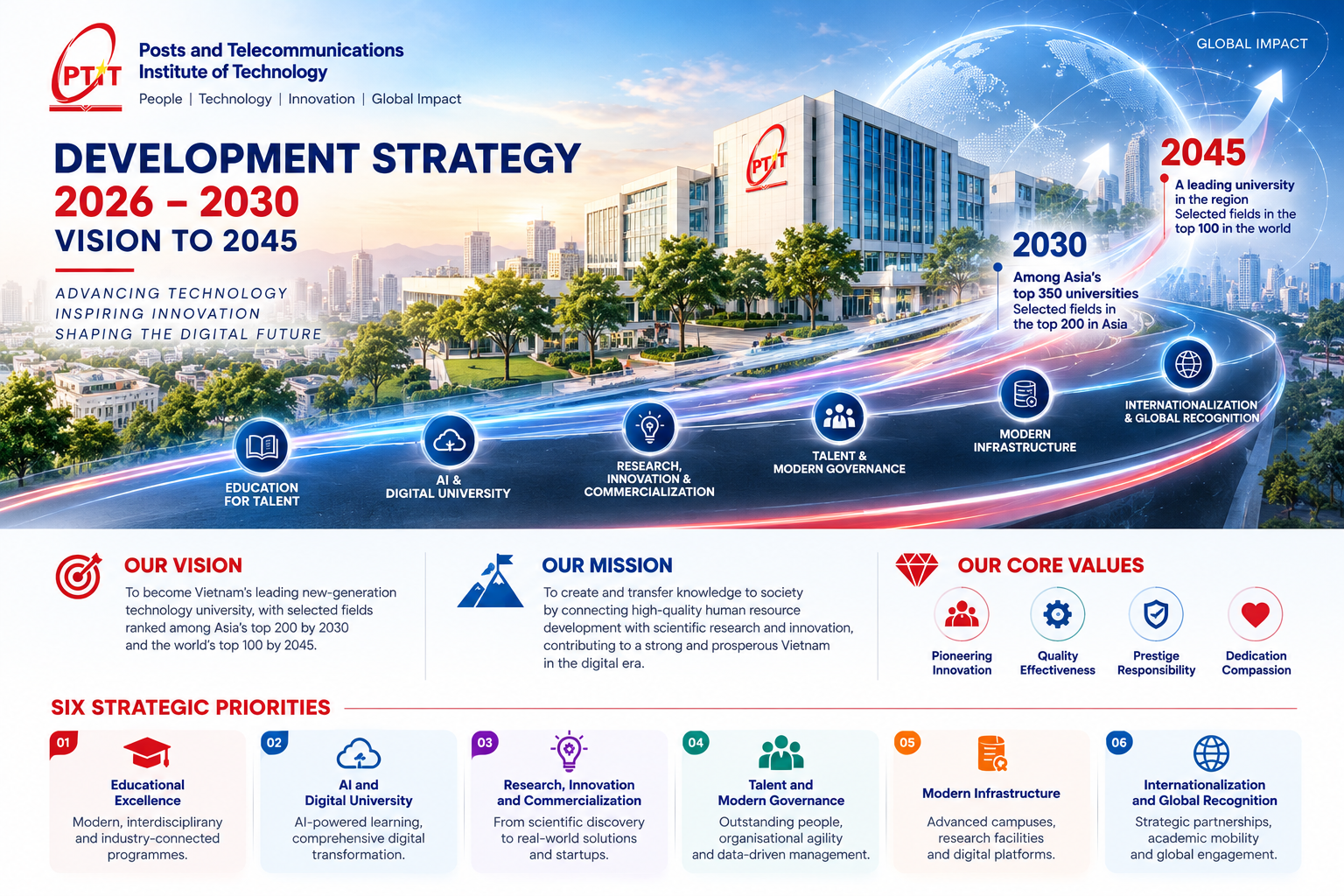
Based on the contents thoroughly grasped at the conference, the Posts and Telecommunications Institute of Technology continues to concretize the Party’s policies and orientations in association with the Institute’s development strategy and tasks. The focus is on improving training quality; promoting scientific research, innovation, and technology transfer; developing high-quality human resources; promoting digital transformation and artificial intelligence applications; while strengthening cooperation with enterprises, educational institutions, and domestic and international partners.
The implementation of the resolution is linked by the Institute with the requirement to enhance the efficiency of task execution in each unit and each working position. Every official, Party member, lecturer, and employee must not only firmly grasp the core contents of the resolution but also actively apply them into practice; clearly defining responsibilities, tasks, schedules, and expected results in their assigned fields.
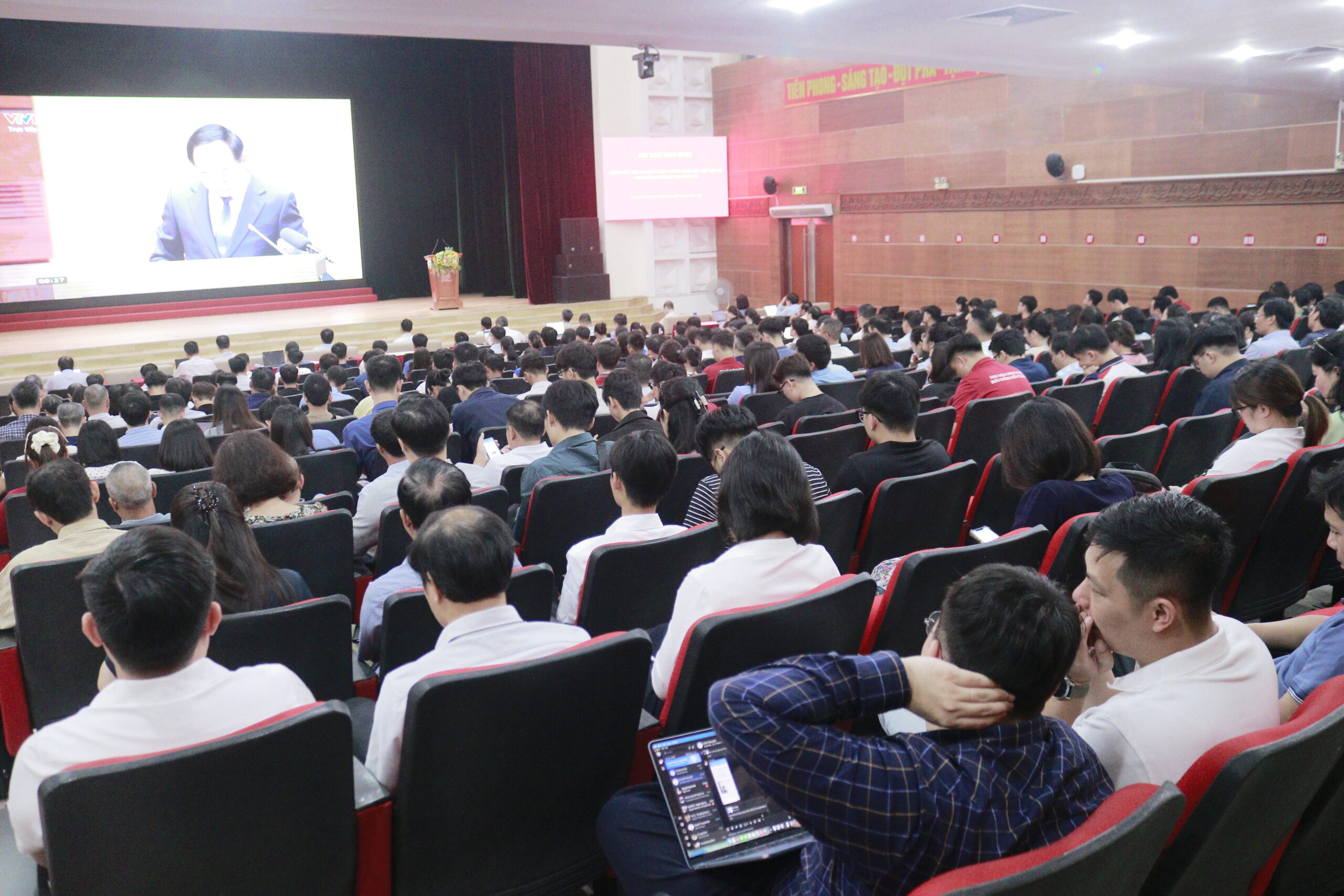
With that spirit, the Institute defines researching, learning, and grasping the resolution as an important step to unify awareness, consolidate determination, and create momentum for action. The effectiveness of implementation must be demonstrated through specific changes in each task and each unit, contributing to successfully realizing the Institute’s development goals and making positive contributions to the country’s cause of education, science, technology, innovation, and high-quality human resource development.