The six cooperation agreements signed by the Posts and Telecommunications Institute of Technology (PTIT) with agencies, organizations, and enterprises on the opening day of the 2026-2027 academic year not only expand its partner network but also provide new resources for training, research, and innovation. From logistics, UAVs, and artificial intelligence to aerospace technology, these collaborative programs are gradually bringing lecture halls closer to the dynamics of science, technology, and real life.
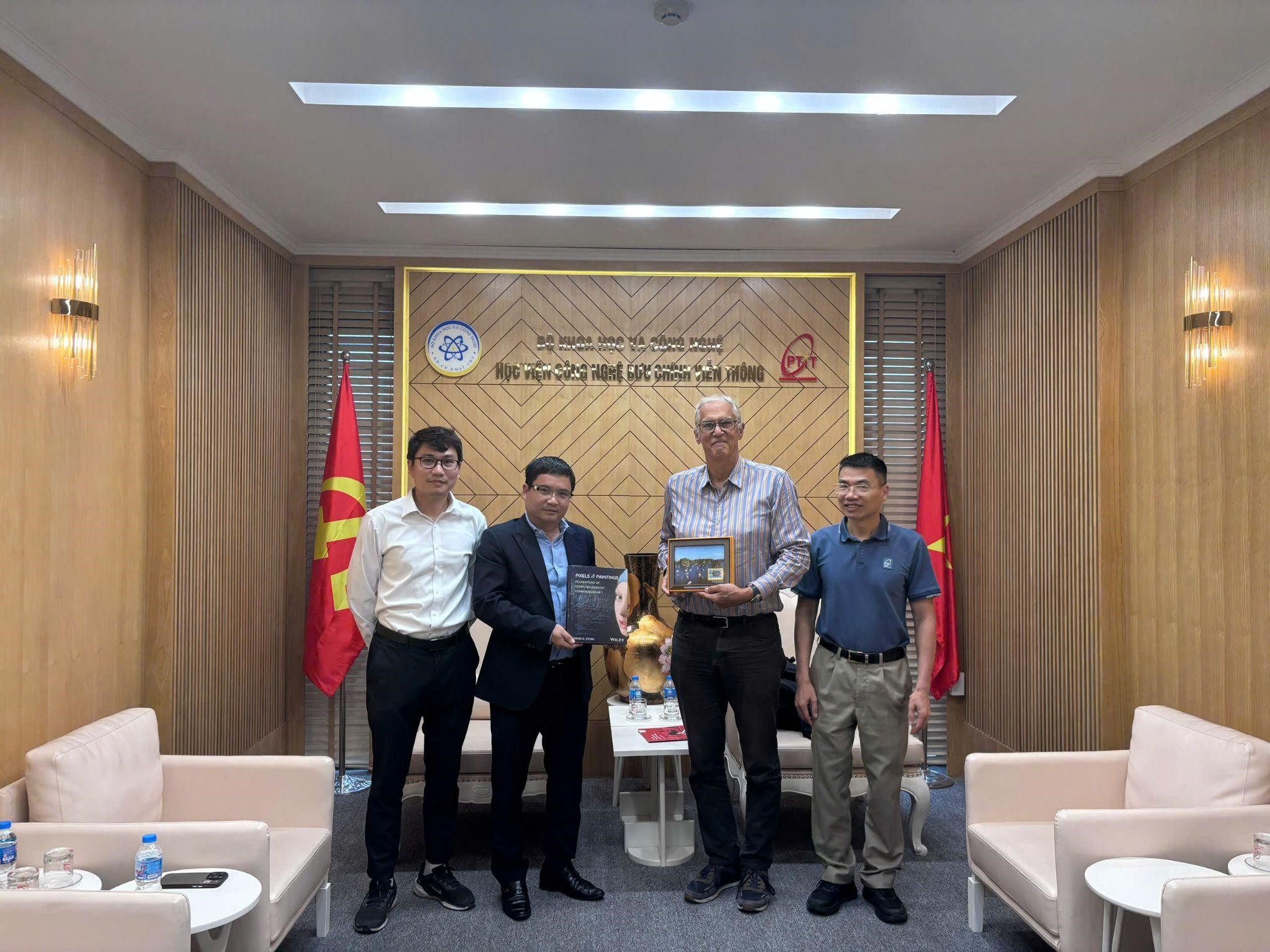
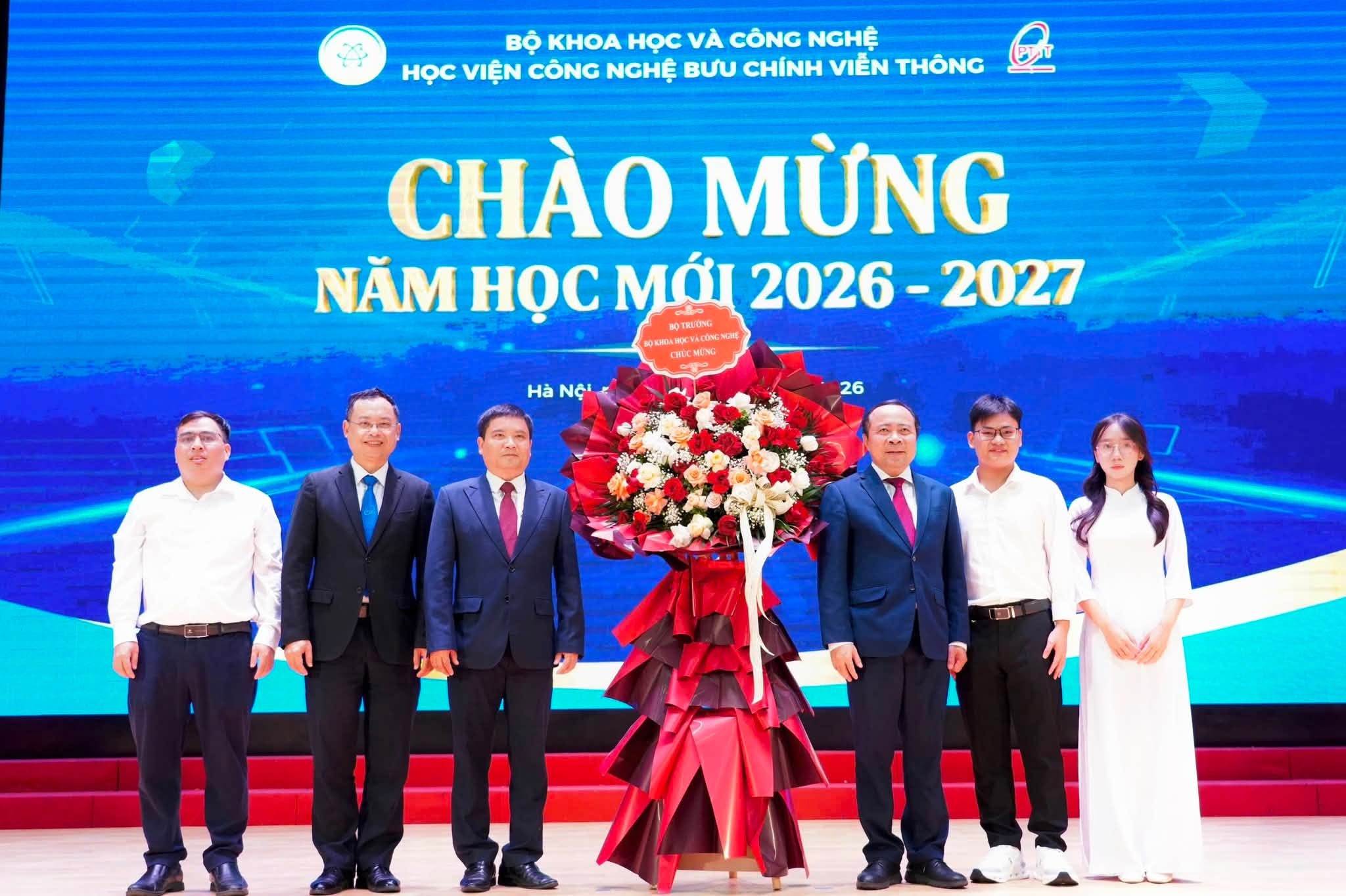
Welcoming the new academic year, witnessed by the Minister of Science and Technology Vu Hai Quan, PTIT awarded Memorandums of Understanding (MoUs) to six entities: Vietnam Post, Vietnam Posts and Telecommunications Group (VNPT), Temix Group, Agency for Technology Innovation, National Foundation for Science and Technology Development (NAFOSTED), and Vietnam-Korea Institute of Science and Technology (VKIST).
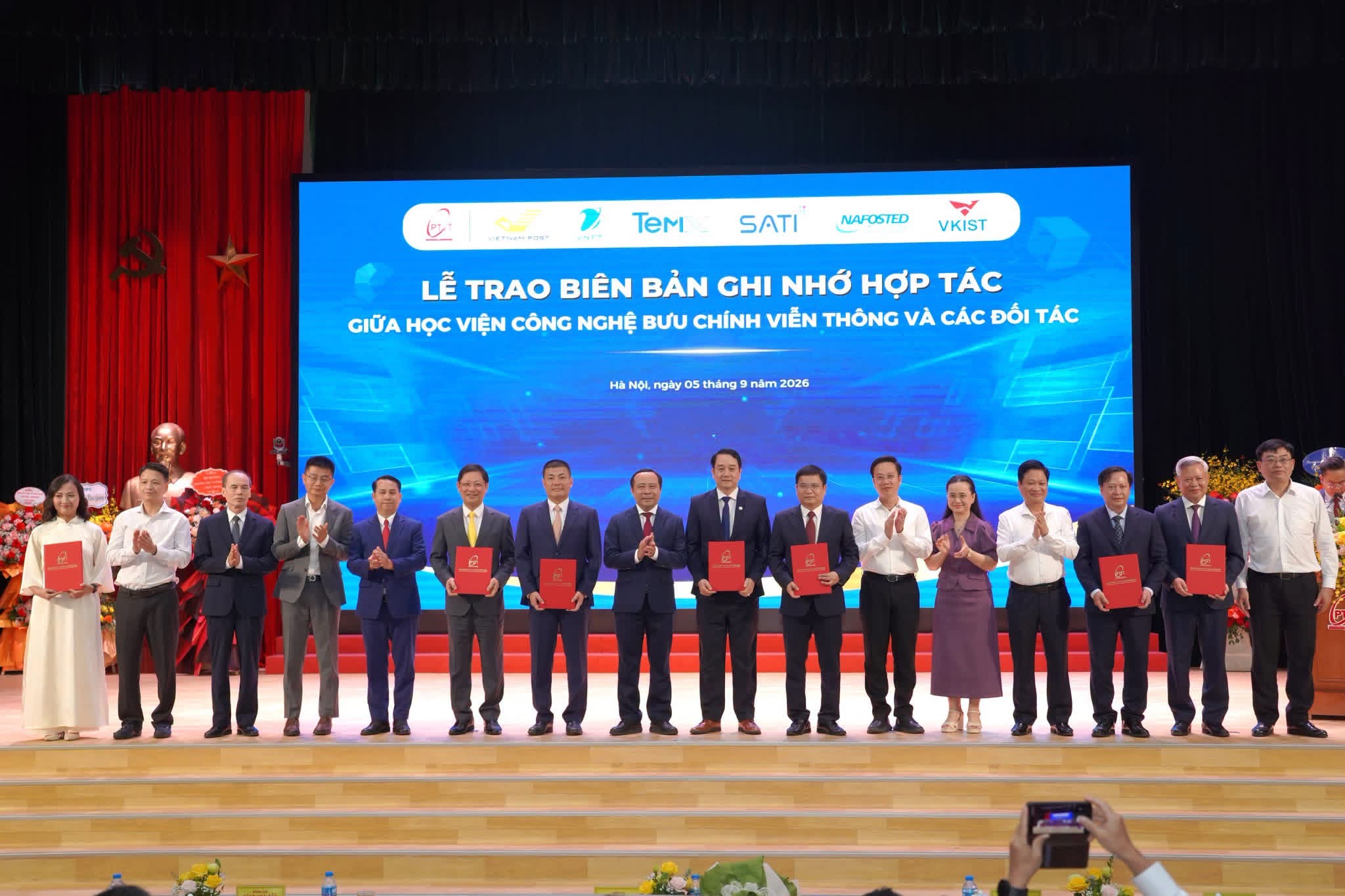
Each partner brings their own strengths and orientations. However, the common ground among these agreements is the shared goal of strengthening the connection between the university and enterprises, management agencies, and research organizations; thereby creating more space for knowledge exchange, technology testing, and student growth through experiences closely aligned with their future careers.
When real-life problems enter the lecture hall An in-depth higher education does not just transmit knowledge but also helps learners know how to ask questions, identify problems, and find solutions to practical demands. This is also the outstanding value expected from these cooperation programs.
With Vietnam Post, PTIT will coordinate training and research in logistics, e-commerce, and UAVs in the low-altitude economy, while expanding internship, experiential, and employment programs for students.
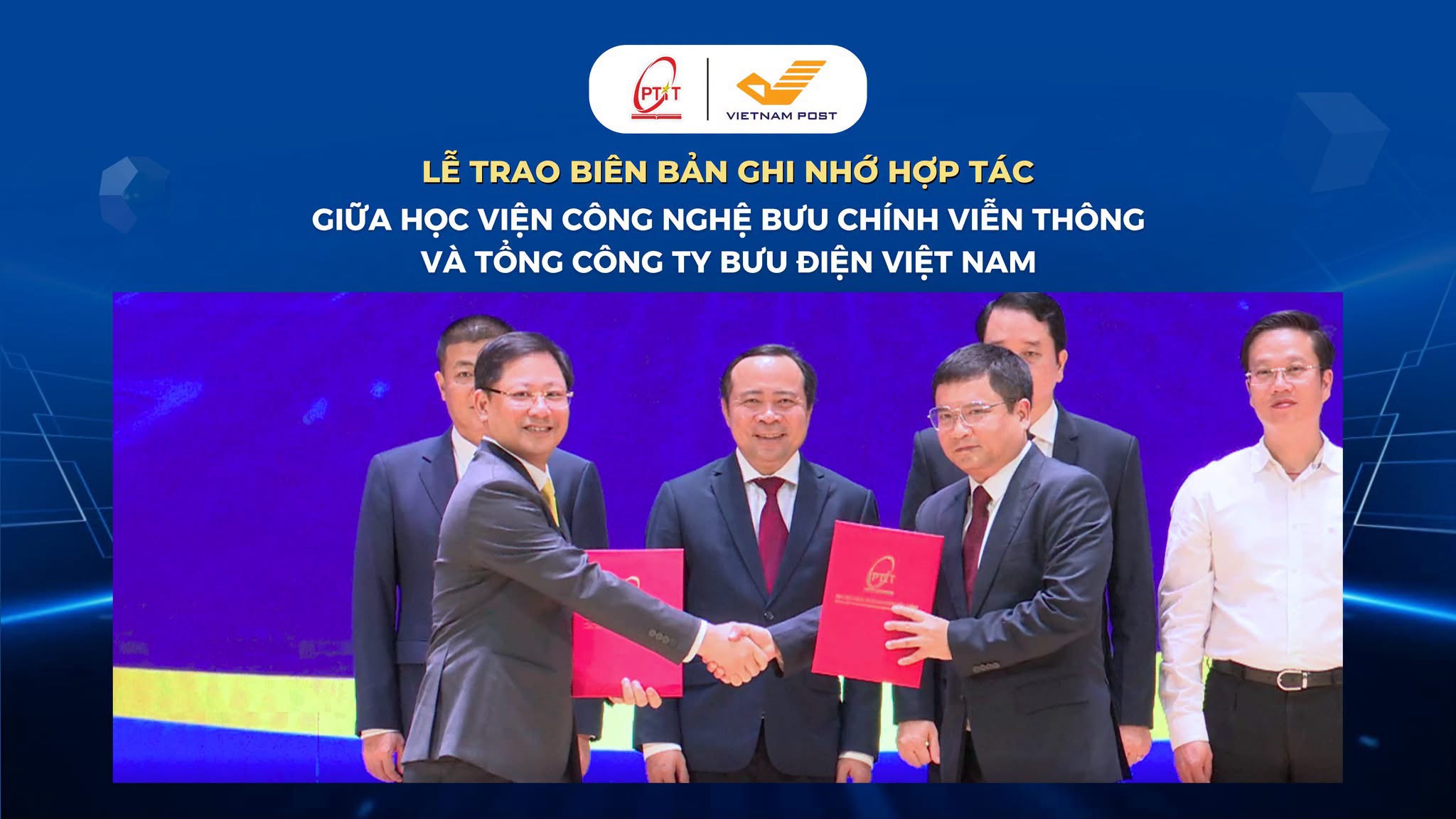
From problems in logistics, operations, and data to technology applications, the practical realities of businesses can become material for study cases, research topics, and professional projects. Through this, the gap between acquired knowledge and actual work is narrowed, giving students more opportunities to test their competencies before entering the labor market.
In the field of artificial intelligence, the cooperation with VNPT focuses on AI for education, with directions for researching and developing a Vietnamese Large Language Model (LLM), an AI Tutor Platform, and gradually building an AI-Native University model.
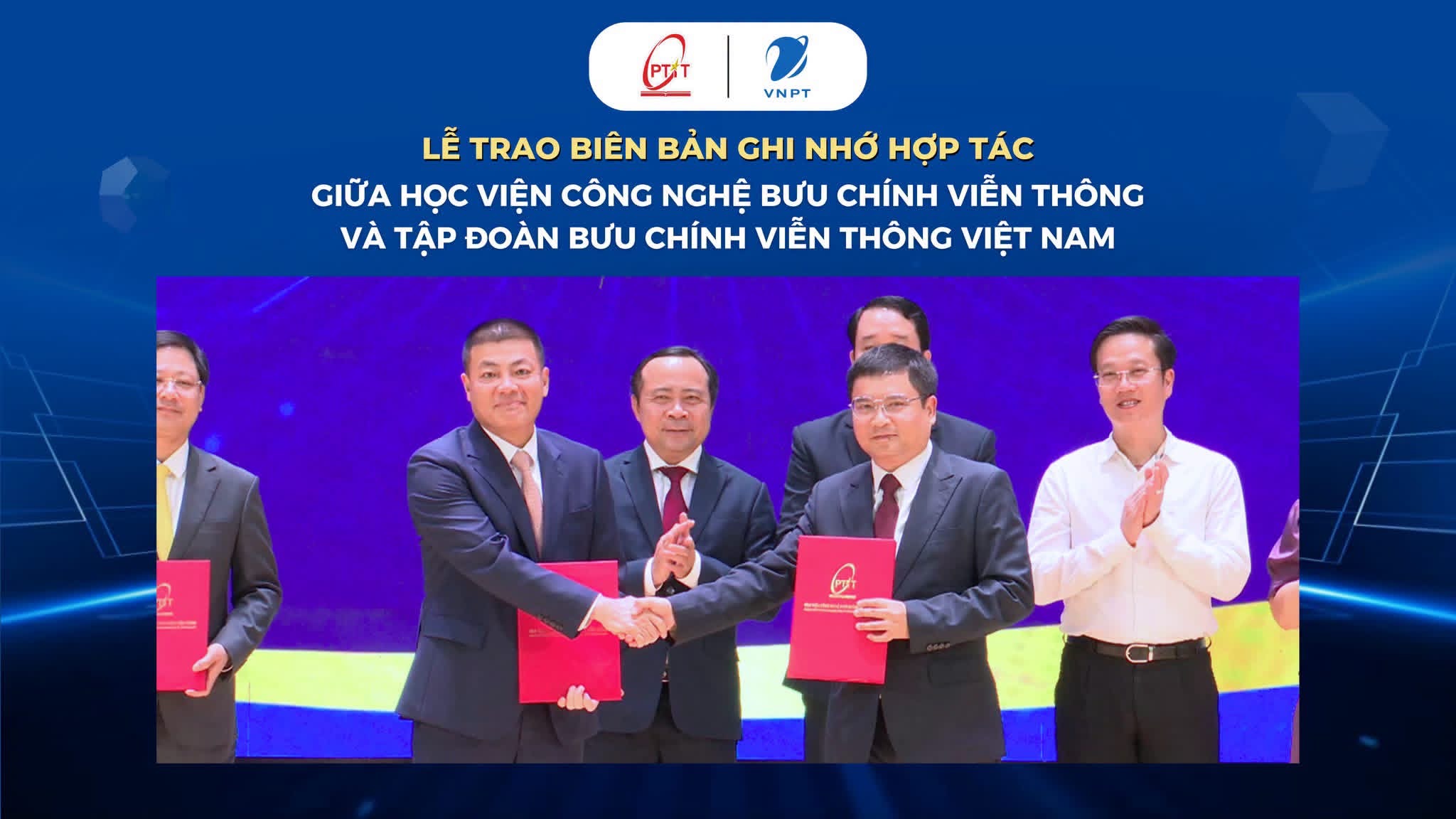
The notable point lies not only in introducing a new technology into the educational environment but also in the ability to change the way training, research, and university governance are organized. As AI becomes deeply embedded in daily life, preparing an educational environment adaptable to this technology also means equipping learners with the capacity to work in a rapidly changing world.
With Temix Group, the cooperation focuses on training talented students in the Space and Aerospace Communication Engineering program through research, design, and product development projects.
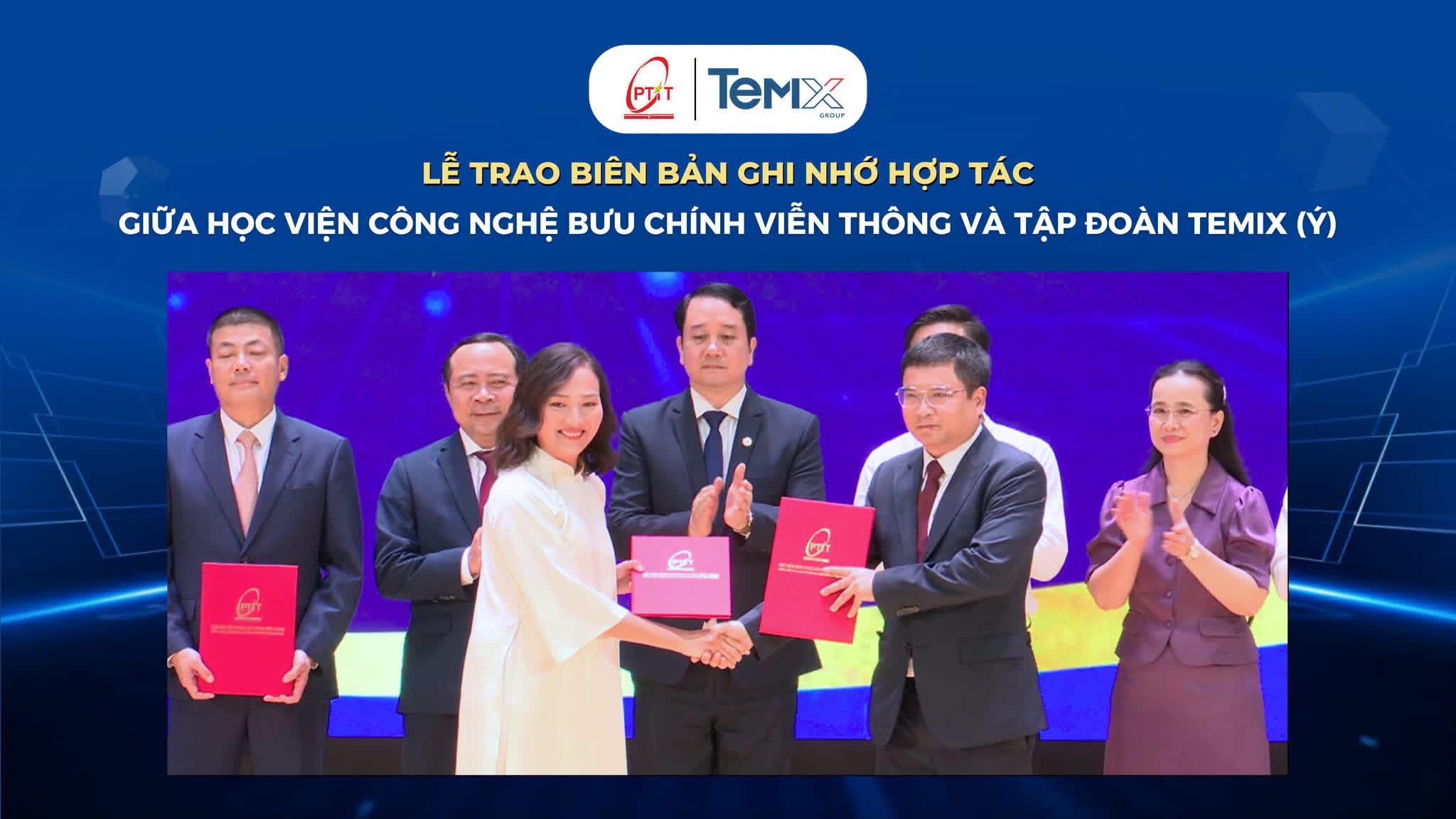
Here, knowledge does not stop at textbooks but is applied to specific problems, requiring students to synthesize technical thinking, research capabilities, and creative capacity. In particular, 10 internship scholarships at the PTIT – Temix Advanced Design Center, with a total value of up to 2 billion VND per year, will create further conditions for capable students to gain deeper access to a high-tech environment.
From the laboratory to real life While partnerships with enterprises create more space for students to experience professional realities, agreements with scientific and management organizations expand the foundation for research and innovation.
With the Agency for Technology Innovation, PTIT aims to coordinate training, connect products and inventions, and promote technology commercialization, while developing a tech CEO network and an Innovation Space at PTIT.
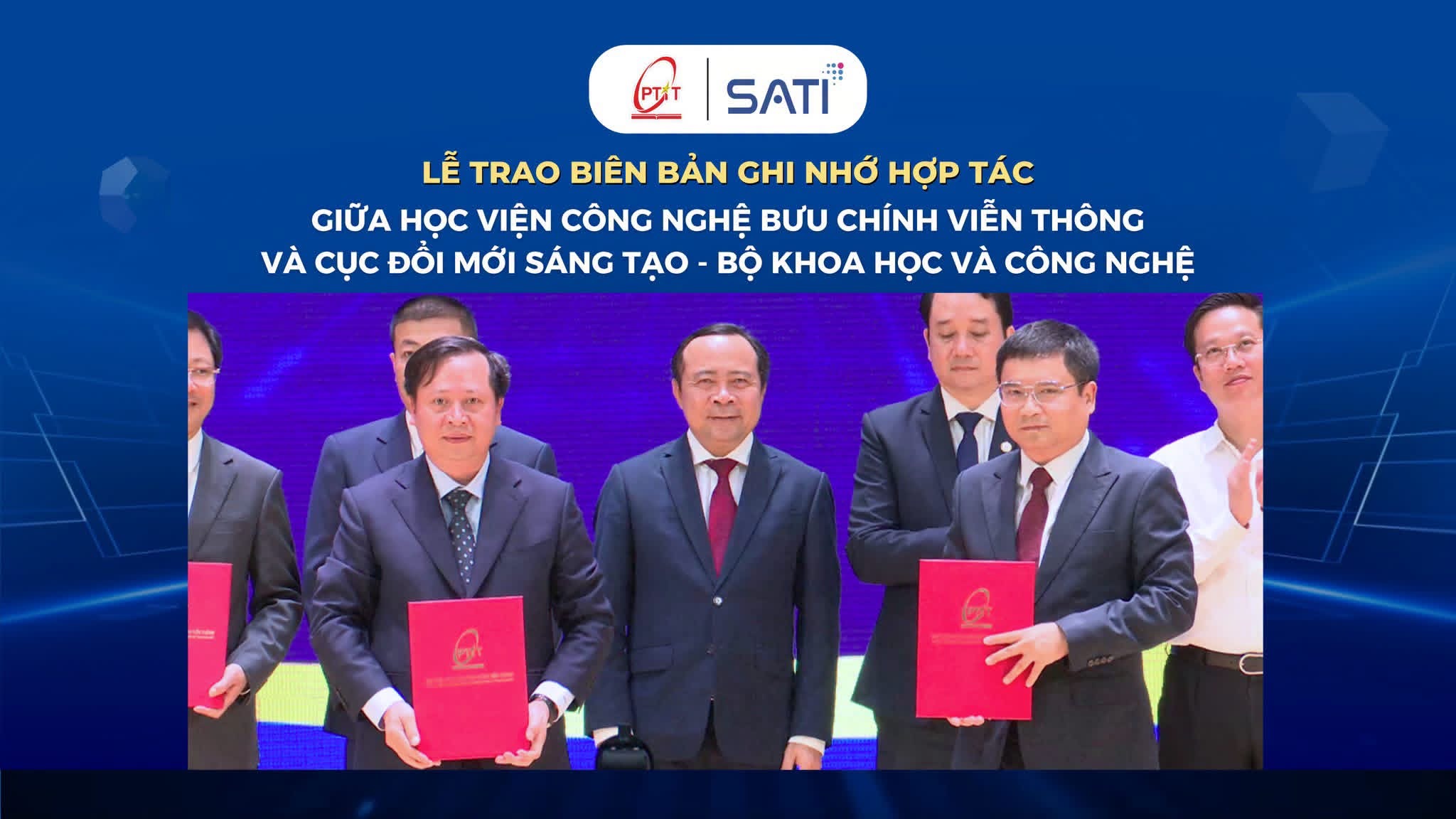
This is a crucial link in the journey of bringing a research idea out of the laboratory. Because the value of science lies not only in a published result but also in its ability to be further perfected, applied, and create concrete impacts on society.
Meanwhile, the cooperation with NAFOSTED contributes to consolidating research resources, expanding the expert network, and promoting research directions in strategic technology fields such as artificial intelligence, semiconductors, 5G/6G, unmanned systems, and information security.
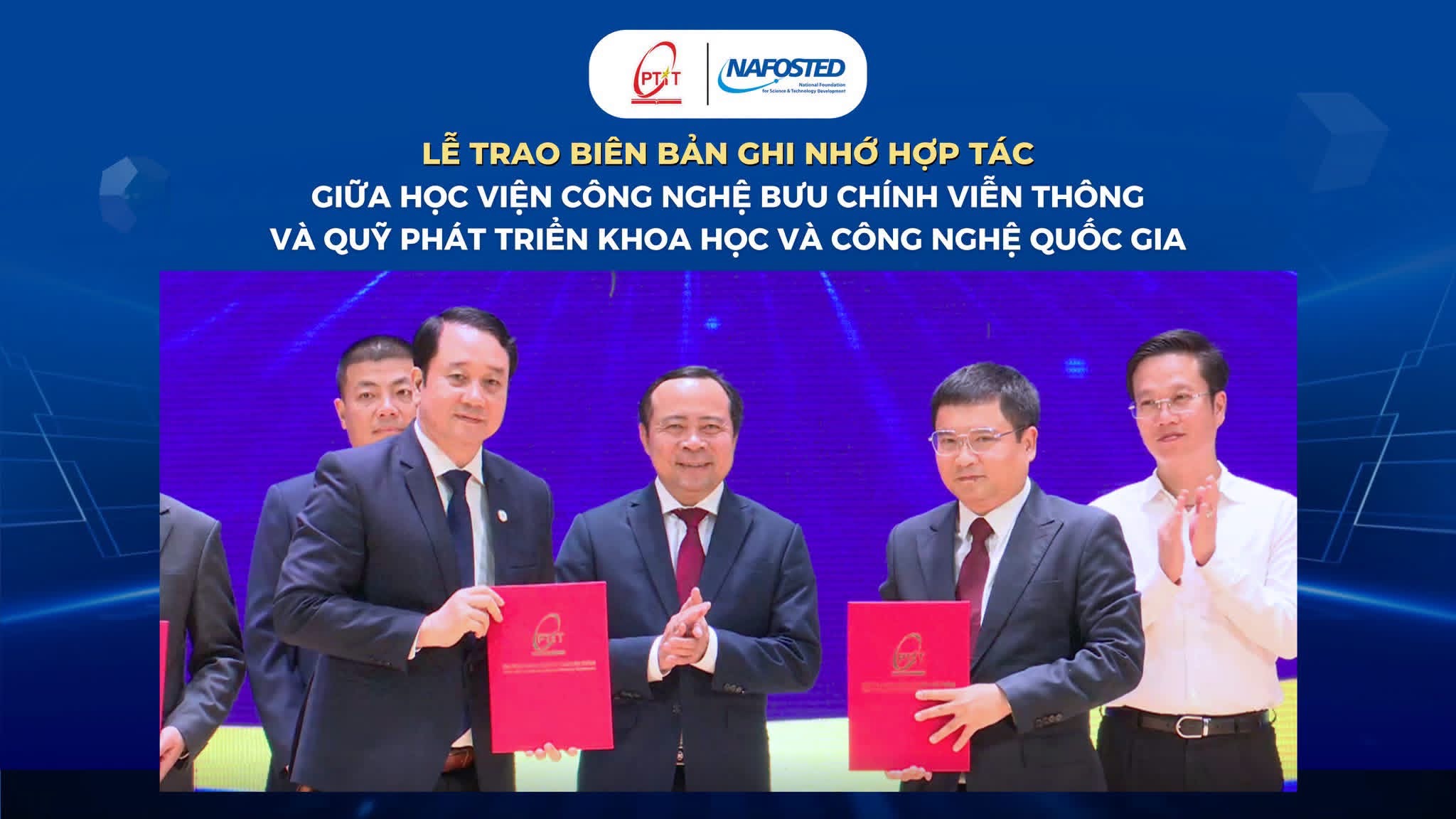
Additionally, the coordination with VKIST aims to implement joint research projects, share laboratory facilities, and exchange experts. These activities create further conditions for research groups to access resources, equipment, and in-depth knowledge, while increasing the ability to transfer, apply, and commercialize research results.
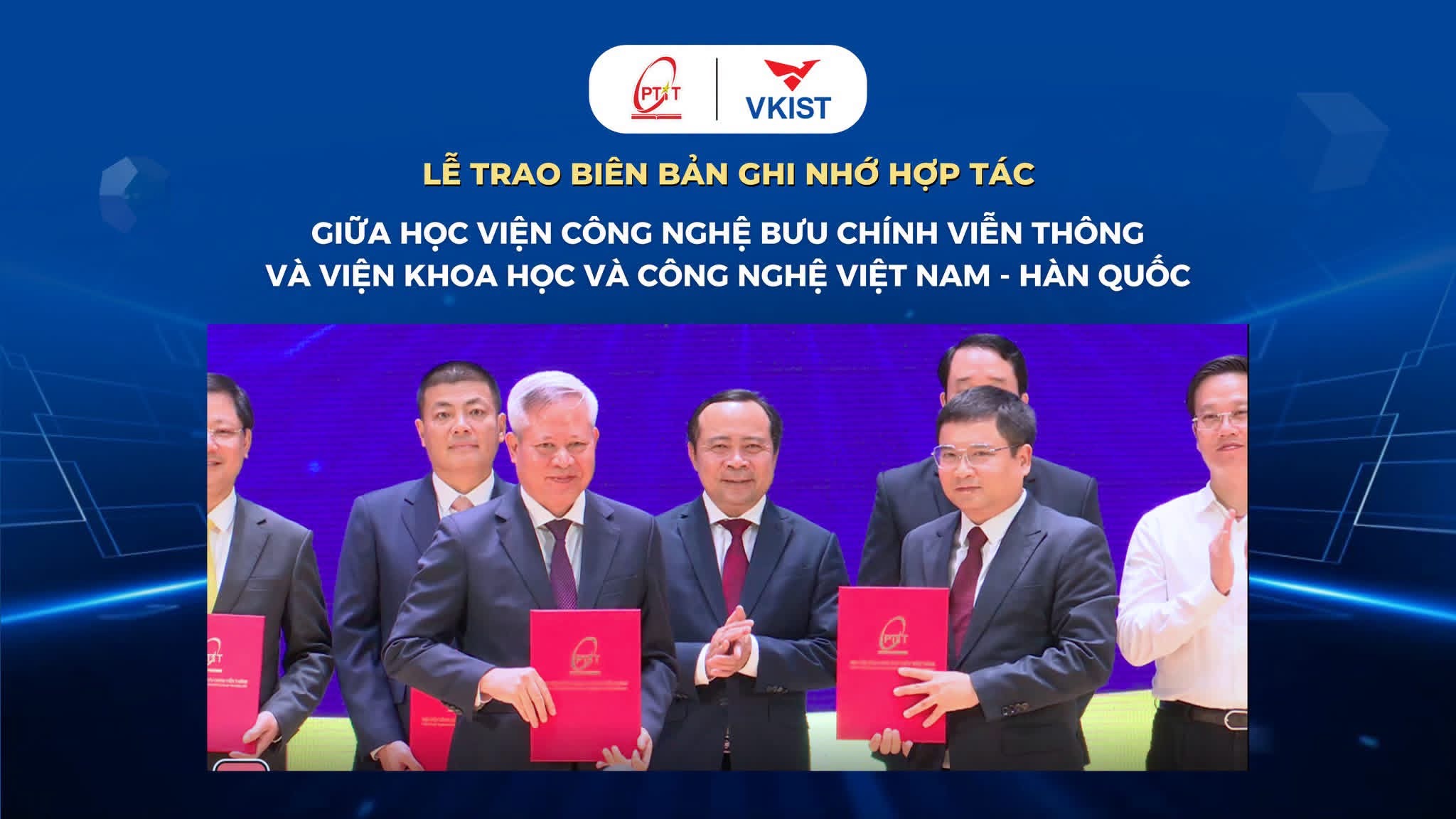
Looking at each MoU, it can be seen that each program has a specific goal, but when placed together, they demonstrate PTIT’s consistent orientation: building a university that does not confine itself to the lecture hall but proactively participates in the flow of science, technology, and innovation.
Ensuring memorandums do not just stay on paper A memorandum is only truly meaningful when translated into specific programs, projects, and results.
Behind the six signed agreements are many possibilities waiting to be realized: from a research topic, a training program, an internship, a scholarship to a technological product or a career opportunity. Each result, regardless of scale, can become a link in the student’s capacity development journey.
Therefore, PTIT’s signing of cooperation agreements with six partners right on the opening day is not merely a milestone in external relations. It is also a message about how a new academic year begins: by expanding learning, research, and experiential spaces so that students can get closer to technology, experts, and real-life issues.
Conversely, the university also has more opportunities to listen to changing demands from enterprises, update new technologies, and adjust training and research activities to align more closely with the country’s development needs.
It is a two-way relationship. Enterprises need a workforce with knowledge and adaptability; scientists need an environment for knowledge to continue developing; society needs technologies capable of solving new problems; and learners need an environment broad enough to learn, test, and grow.
When those needs meet, cooperation is no longer a story of memorandums but becomes part of the process of creating human resources and knowledge for the future.
A new academic year, therefore, does not just start in the lecture hall. It also begins in laboratories, projects with enterprises, meetings with experts, and problems waiting for solutions. For PTIT, the connections formed today could very well be the foundation for learners to build their capabilities, for the university to enhance its quality, and for the values of science and technology to spread further in the years to come.